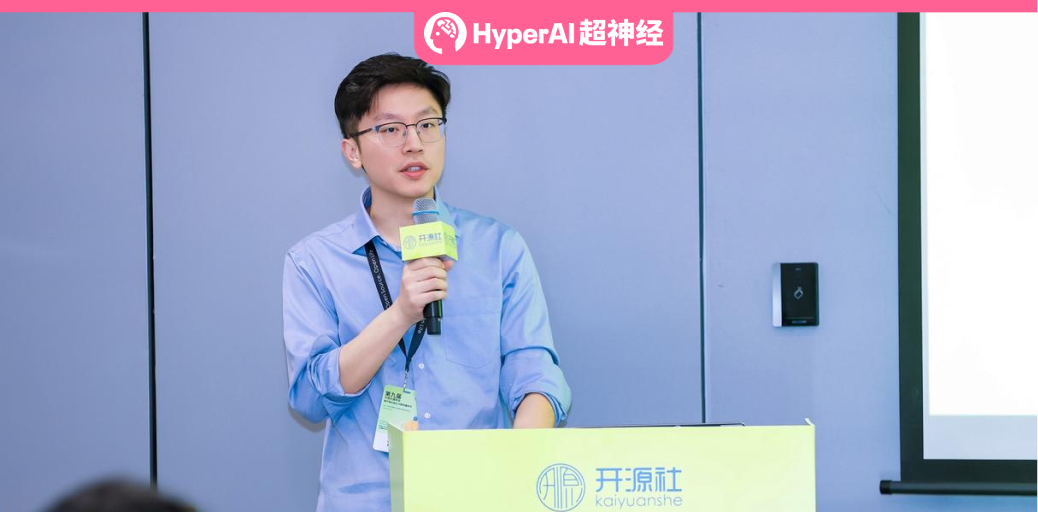
The fifth episode of the Meet AI4S live series invited Dr. Wang Zeyuan from the Knowledge Engine Laboratory of Zhejiang University to share his papers and related research.
The School of Earth Sciences of Zhejiang University proposed a geographic neural network weighted regression model with enhanced interpretability (EI-GNNWR) to help analyze geographic data of the Qinghai-Tibet Plateau.
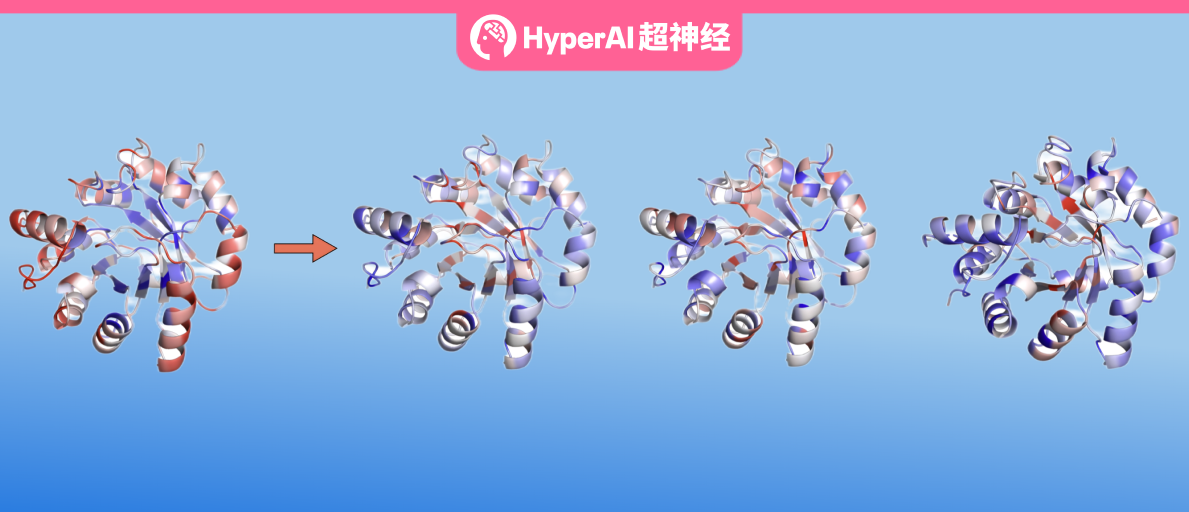
Shanghai Jiao Tong University, Shanghai AI Lab and others have jointly developed a new protein mutant design model PRIME, which has better prediction effects in protein mutations and other aspects.
Tsinghua University, in collaboration with several universities in China and abroad, has proposed an active learning framework that can more efficiently identify high-entropy oxides.
Professor Hong Liang from Shanghai Jiao Tong University comprehensively sorted out the challenges and approaches for implementing AI4S, as well as how to organically combine AI and Science.
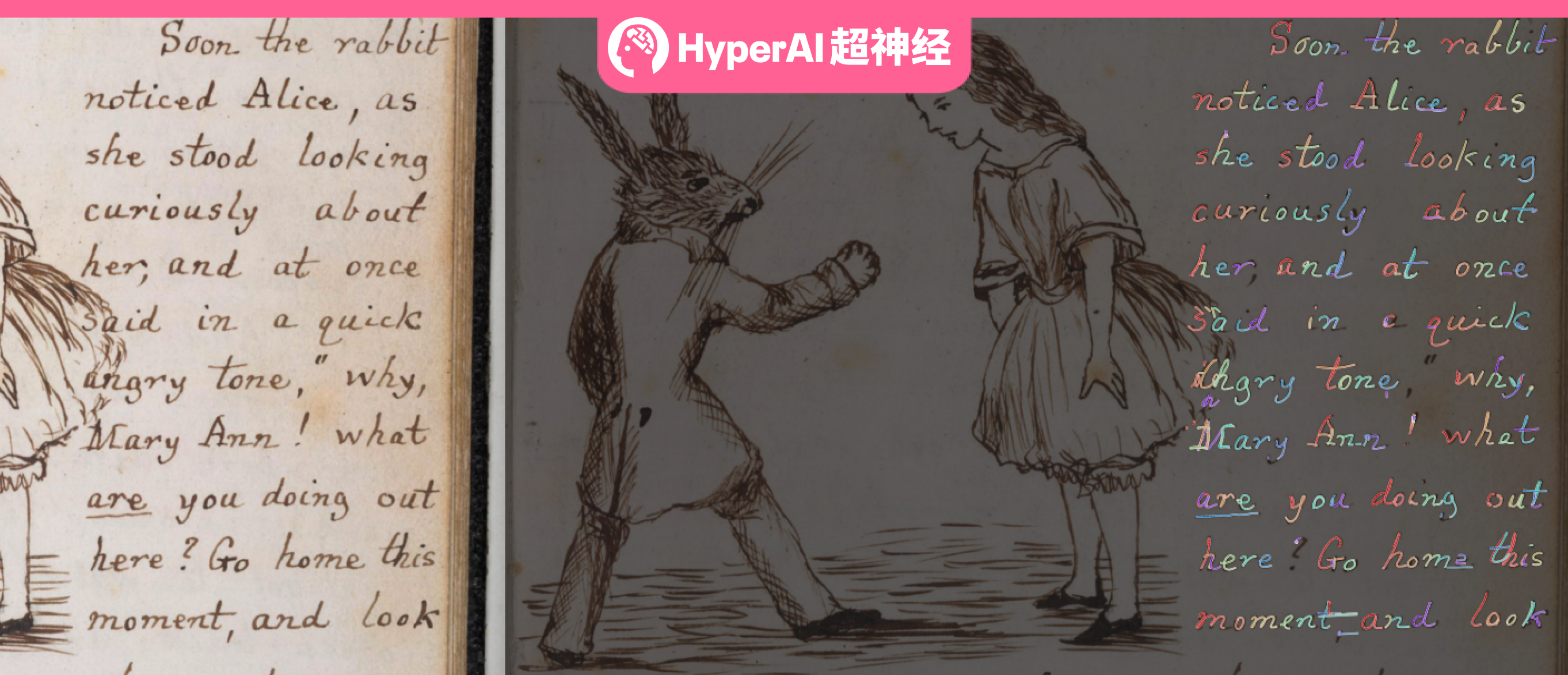
The tutorial section of HyperAI's official website has launched the "InkSight Demo to Digitize Handwritten Text", which can be cloned with one click to experience.
Lu Feng's team from Huazhong University of Science and Technology proposed CGS-Mask, which can not only improve the prediction accuracy of the model, but also increase the interpretability of the results.
A team from the Institute of Automation, Chinese Academy of Sciences, designed a multimodal integration framework that can solve the problem of visual reconstruction of brain activity.
The fifth episode of the Meet AI4S live series has invited Dr. Wang Zeyuan from Zhejiang University’s Knowledge Engine Laboratory. Come and make an appointment to watch the live broadcast!