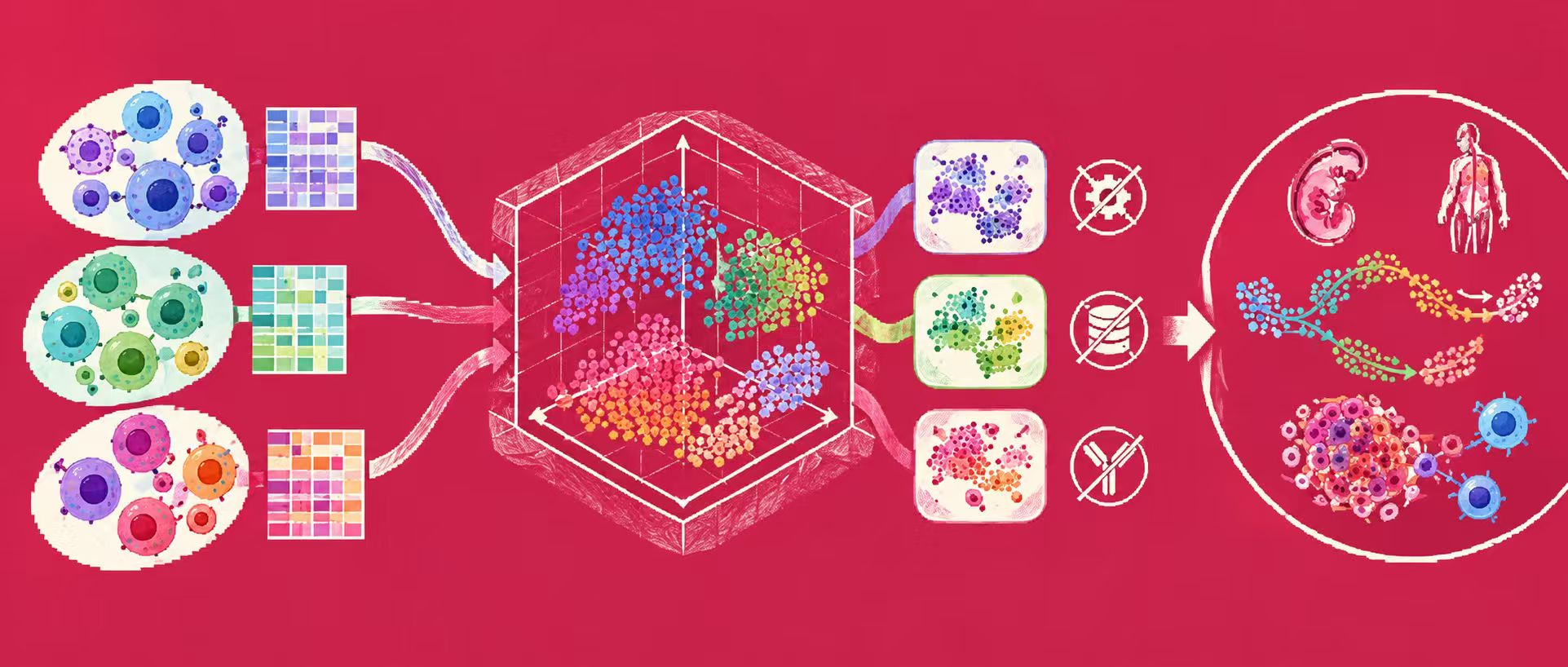
A research team from Stanford University proposed a universal cell embedding (UCE) foundation model, which generates representations for new single-cell gene expression datasets without the need for model fine-tuning or retraining, while maintaining robustness against dataset-specific and batch-specific artifacts.
This week's updates on the hyper.ai official website include 5 public datasets, 8 curated tutorials, 5 popular encyclopedia entries, and top conferences with October deadlines, focusing on cutting-edge advancements in large models, embodied intelligence, and multimodal AI.
The HyperAI tutorial section has launched the "MiniCPM5-2B: On-Device 2B-Level SOTA Large Model Inference" hands-on tutorial, supporting online experience and one-click deployment~
Research teams from Johns Hopkins University, NVIDIA, the University of California, Berkeley, and other institutions have proposed EvoSafeHarness, which treats the safety harness itself as the object of automatic optimization. For different models and application domains, the system separately searches for natural language safety policies and executable code logic, then continuously adjusts based on the failures the model actually exposes.
The recent cluster maintenance work conducted by HyperAI has now been completed, and related computing resources have gradually returned to normal use. To reduce abuse of free resources and support stable platform operation, Free CPU resource allocations and maximum continuous runtime durations will be adjusted.
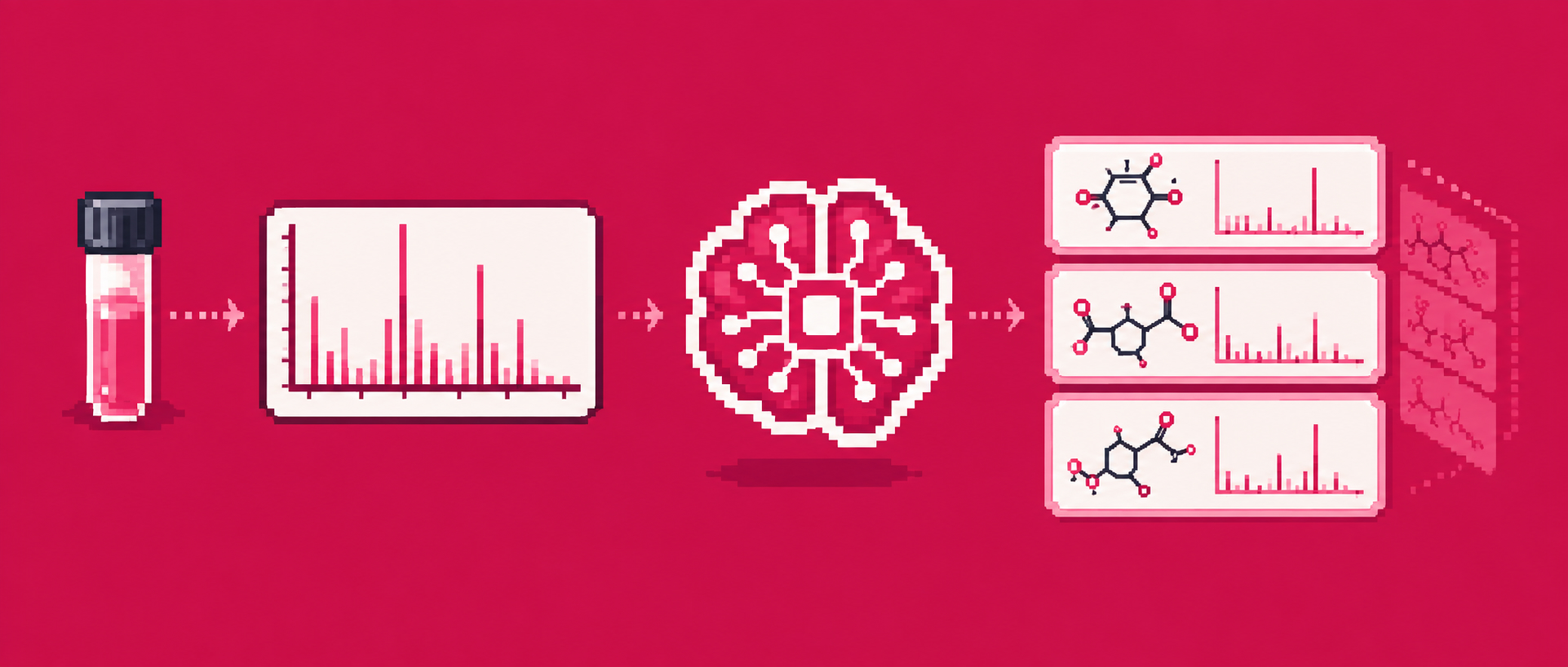
Cornell University has developed AI Molecule Explorer, an agent-based neurosymbolic artificial intelligence framework for small-molecule mass spectrometry interpretation. Its core model, DeepMS²Reasoner, integrates chemical rules, fragmentation-path reasoning with neural network learning; starting from molecular structures, it simulates fragmentation processes such as bond cleavage and hydrogen transfer, and predicts the corresponding MS/MS spectra.
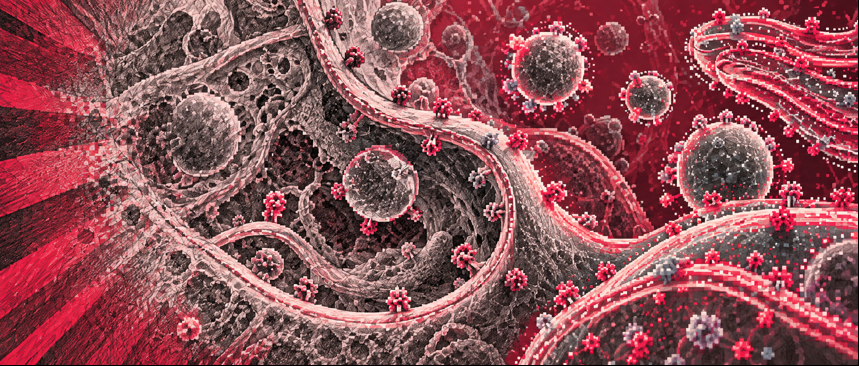
A research team comprising scientists from the Helmholtz Institute Munich, Technical University of Munich (TUM), and Biozentrum at the University of Basel has introduced MemBrain v2, establishing an end-to-end membrane analysis pipeline that spans membrane structure segmentation, particle localization, and statistical analysis.
Currently, the HyperAI tutorial section has launched “Multimodal Reasoning with DeepSeek-V4-Flash-Vision-Exp and Deployment via Open WebUI,” enabling one-click model deployment for rapid exploration of its visual understanding, multimodal agent capabilities, and complex task execution performance.
The HyperAI tutorial section now features "MiniMax Music 3: A Music Generation Model Based on Lyrics and Music Descriptions." Start creating your own music now!
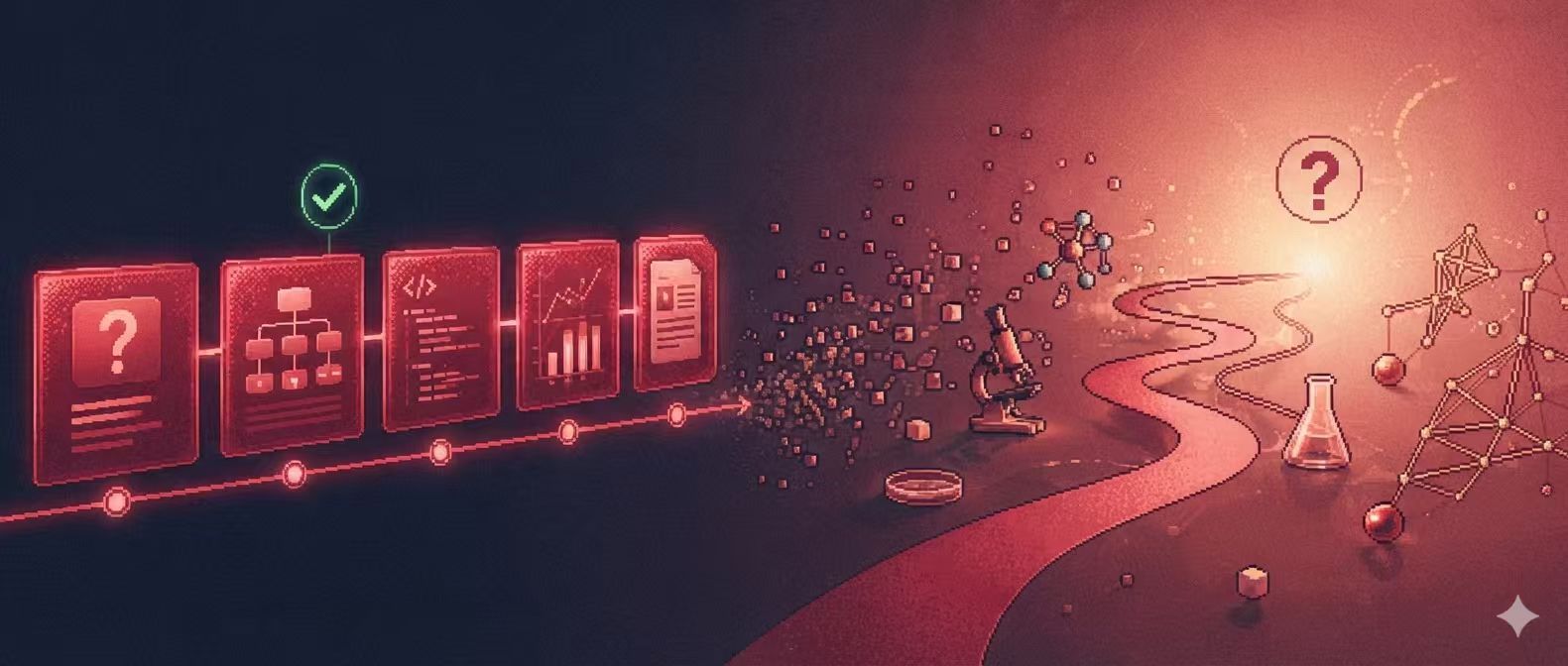
Experts from more than ten institutions, including Tsinghua University, MIT, and Harvard University, jointly developed the ASI-Bench benchmark for independent scientific research capabilities.
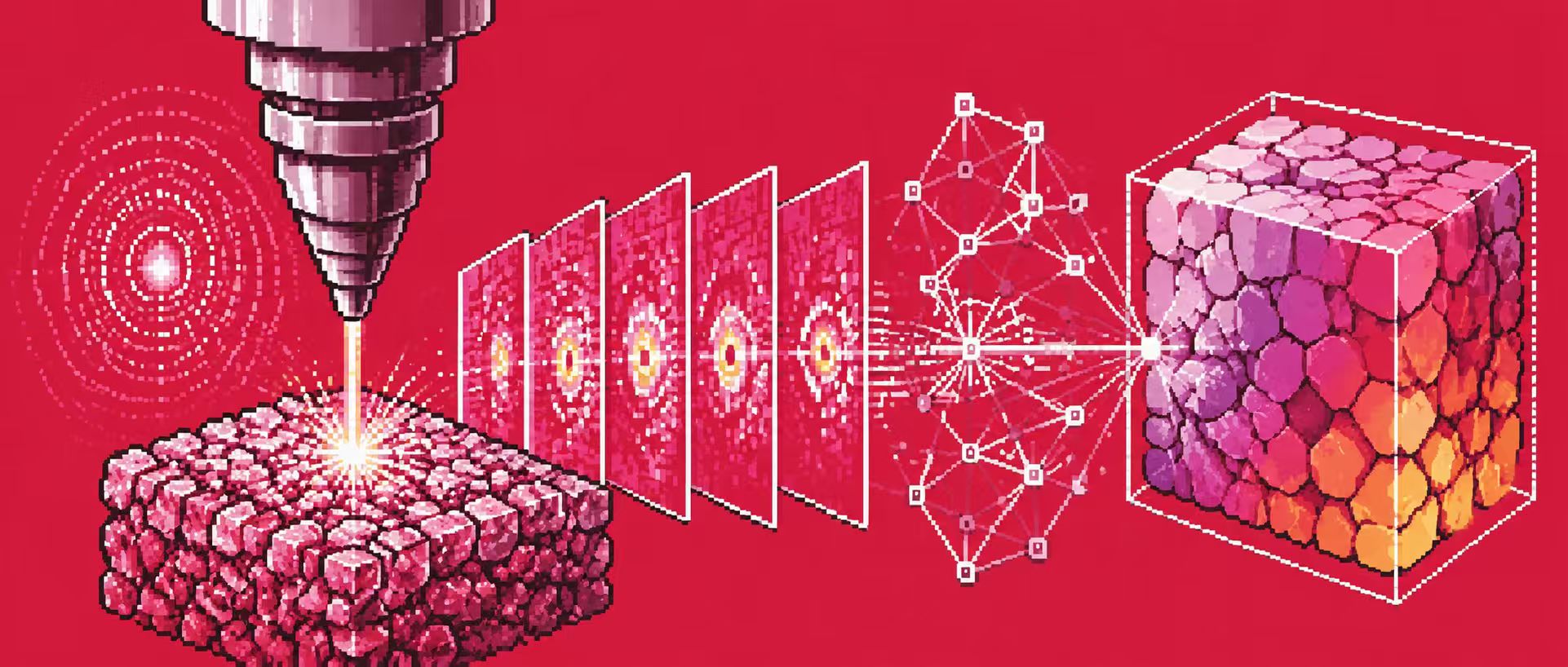
A research team at Argonne National Laboratory, U.S. Department of Energy, has proposed a nanobeam diffraction analysis method based on unsupervised training, called DONUT.
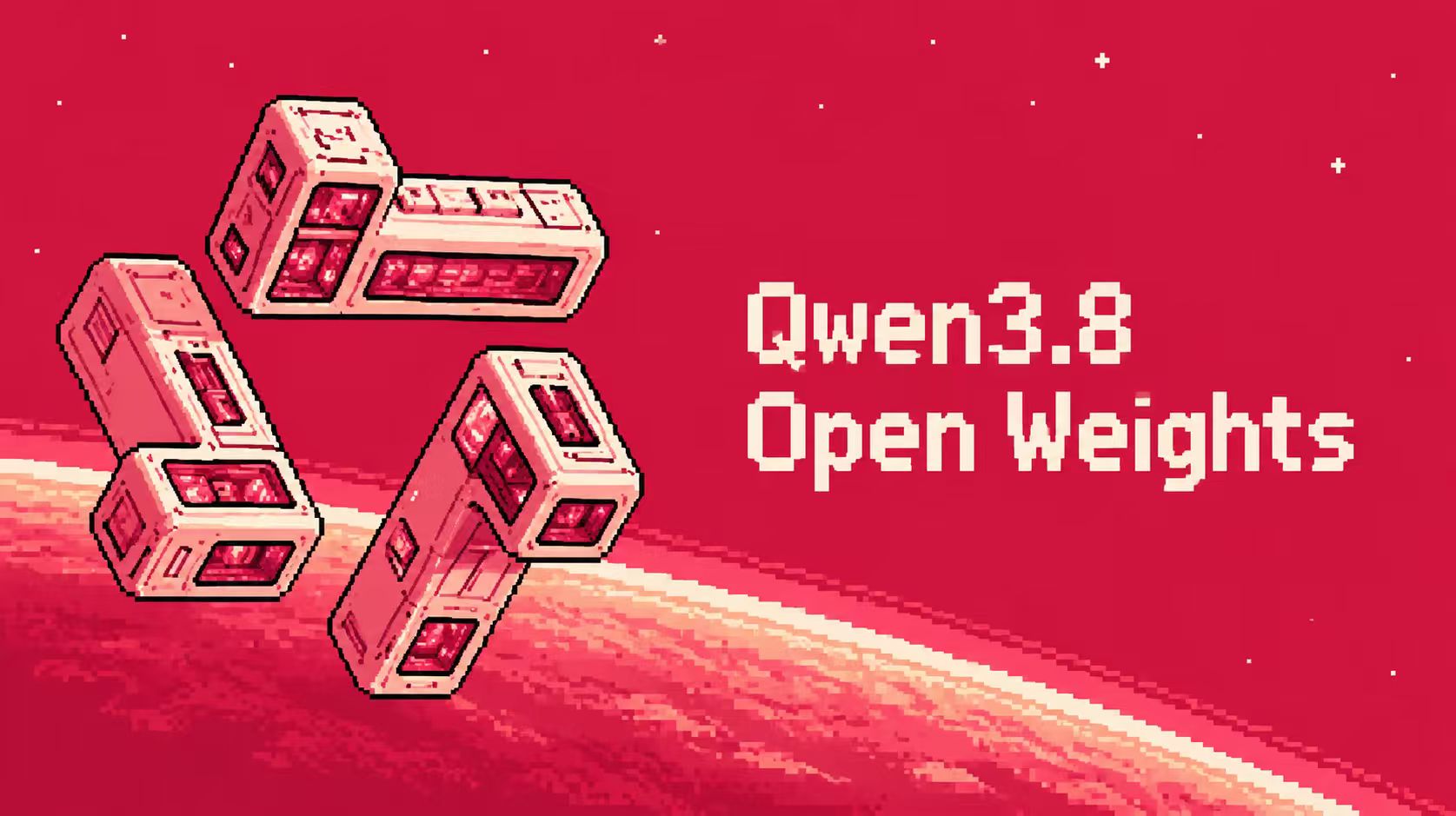
The tutorial section of HyperAI's official website (hyper.ai) has launched "Qwen3.8-27B-FP8: Native Visual Language Model" to help developers quickly utilize the model's capabilities.
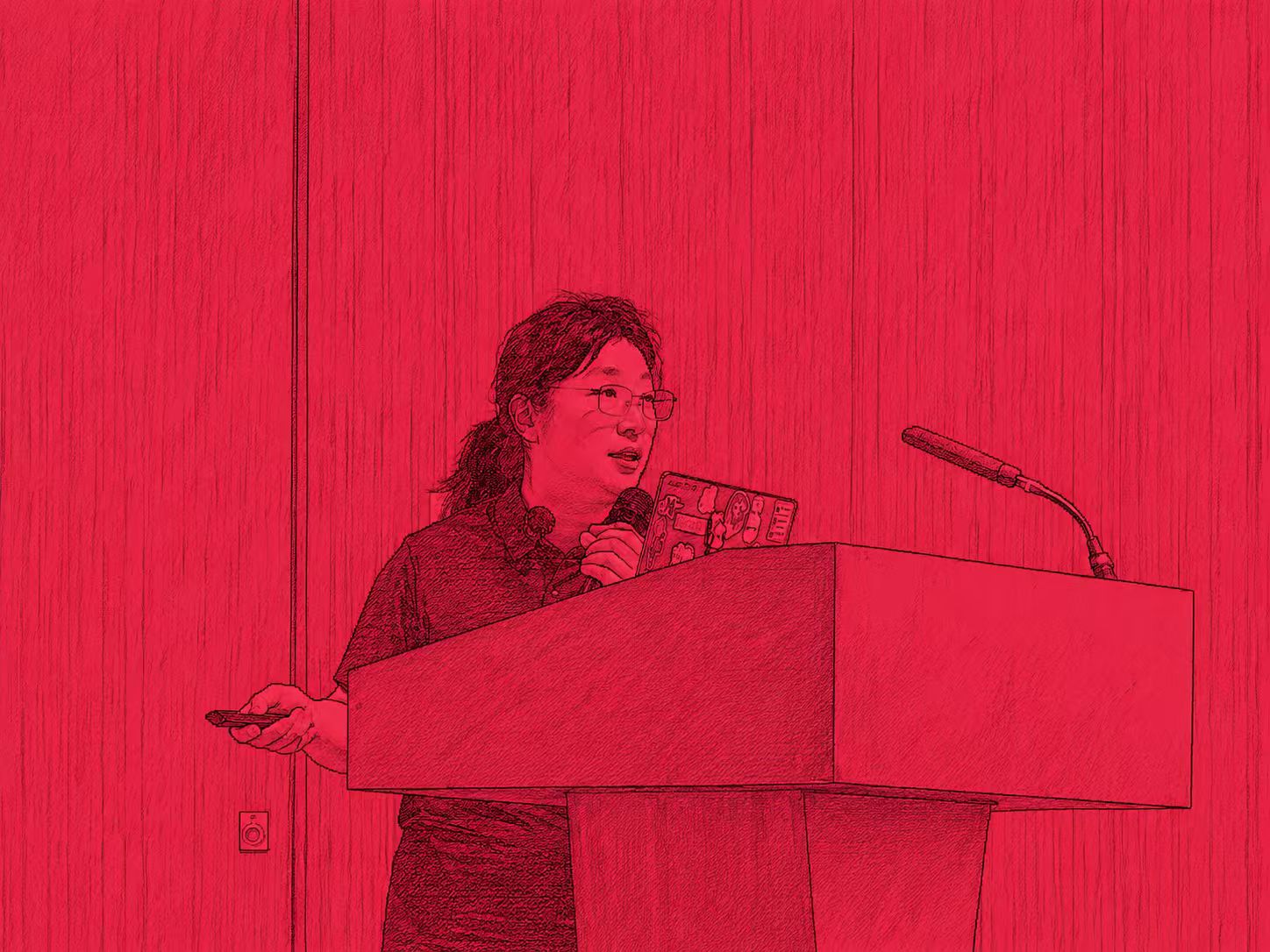
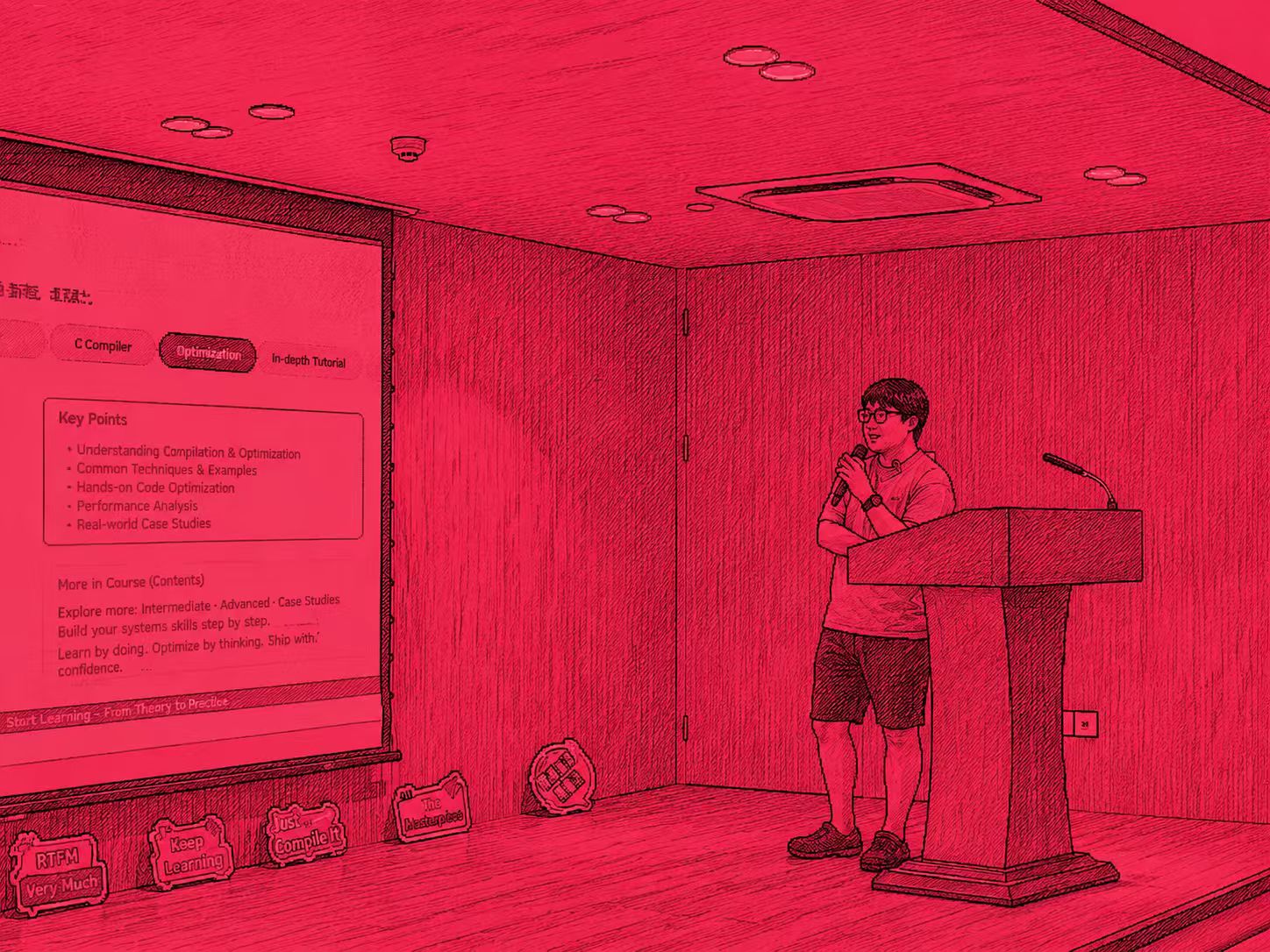
At the 9th Meet AI Compiler Technical Salon hosted by HyperAI, Hai Lijuan, architect of Huawei AscendNPU IR, shared her insights on the topic of "AscendNPU IR: Open Source Compilation Base, Supporting Multi-Language Access to Ascend".
The HyperAI (hyper.ai) tutorial section now features the "DeepTutor Personal Learning Assistant" tutorial. The necessary environment has been configured; interested developers are welcome to try it out with a single click!
Zhu Honglin, a high-performance computing engineer at Tencent, shared the team's practices in optimizing algorithms and operators for low-complexity matrix multiplication.
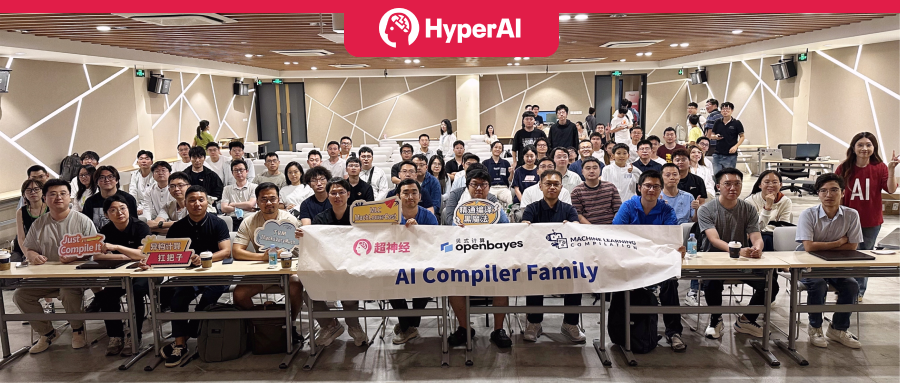
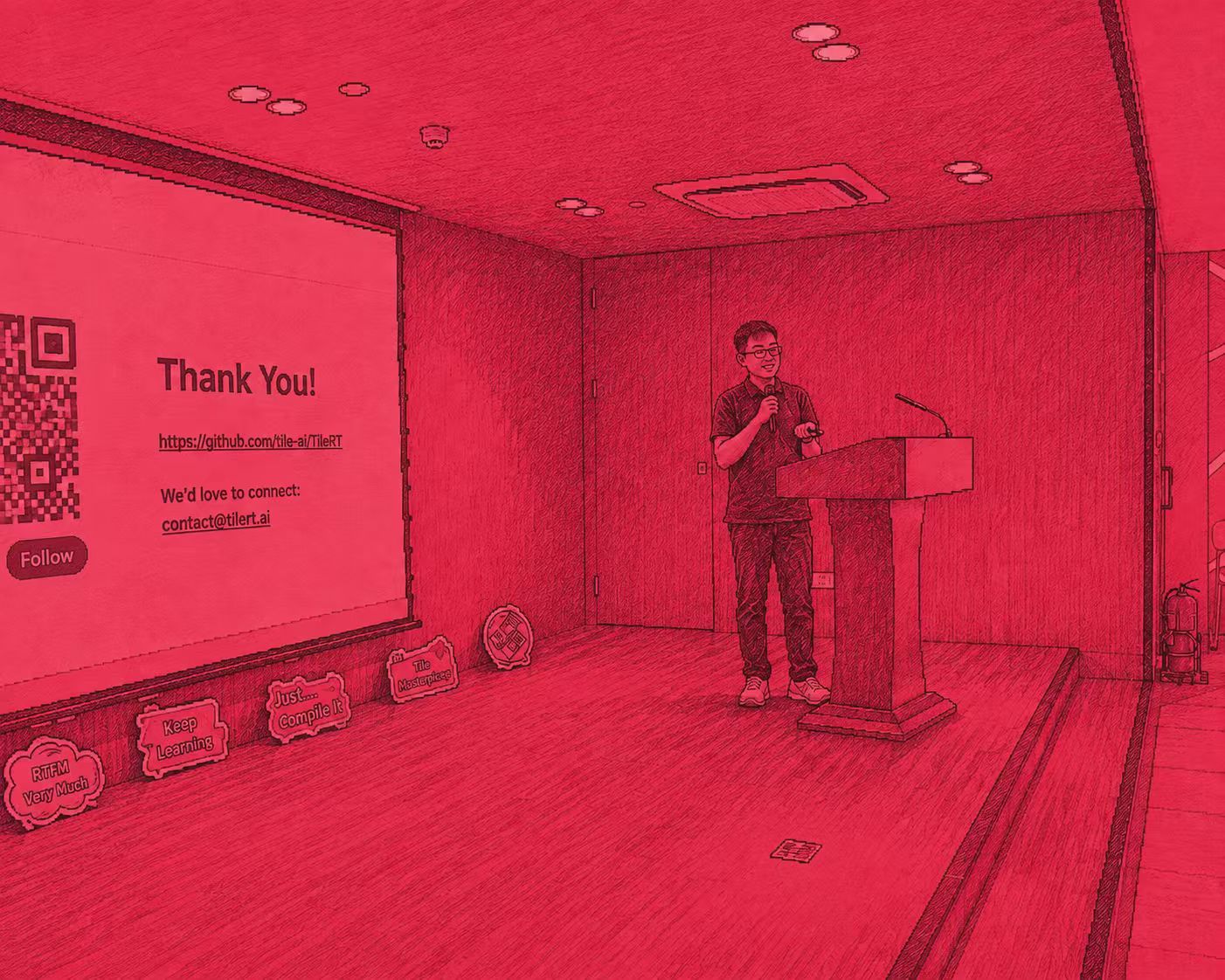
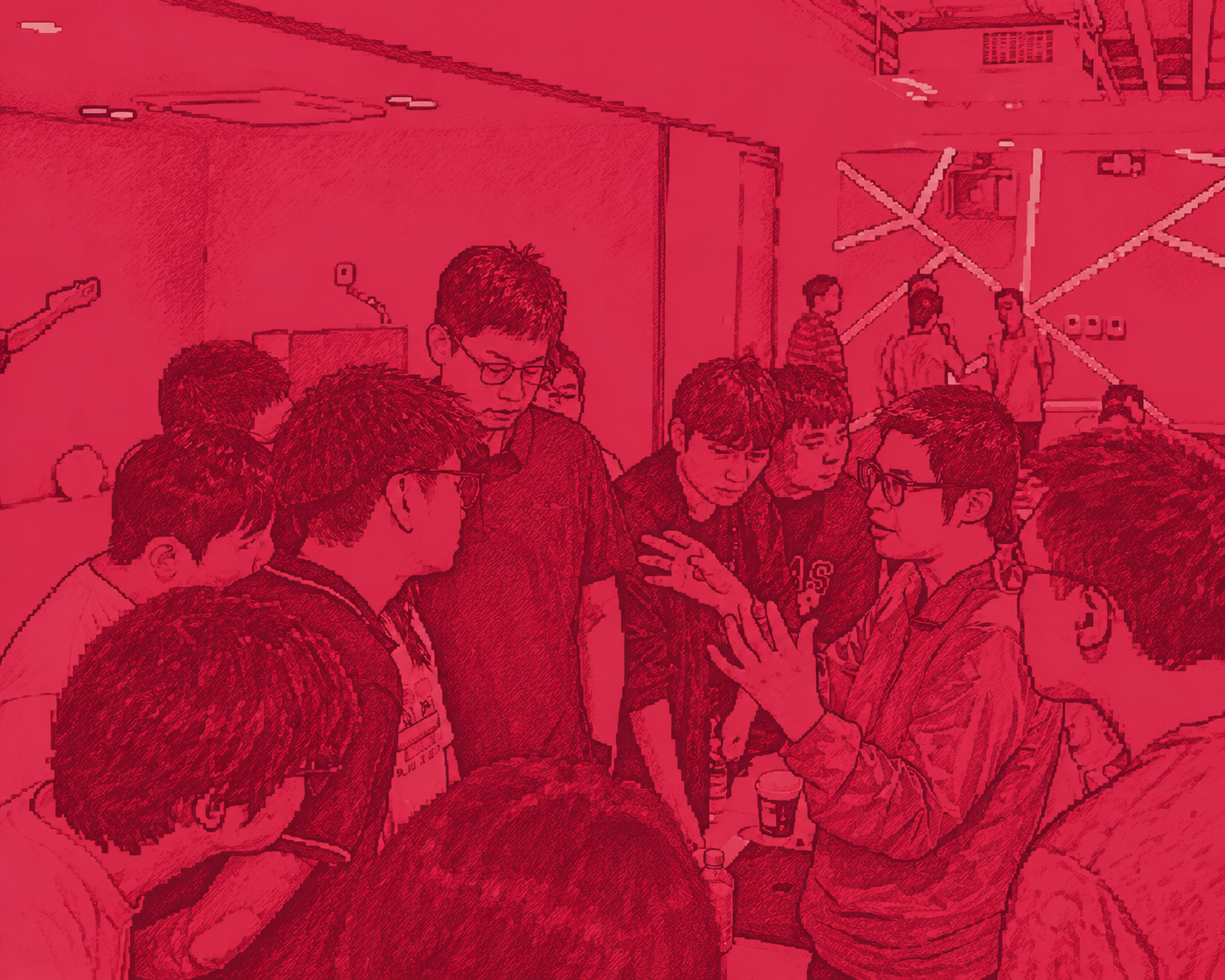
On August 1st, the 9th Meet AI Compiler Technical Salon, hosted by HyperAI, successfully concluded in Zhongguancun, Beijing. This salon was as popular as ever, with industry experts providing insightful presentations, bringing together representatives from the Beijing Academy of Artificial Intelligence, the TileRT team, Tencent, Huawei Ascend, [...]
VenusREM is now available on the HyperAI tutorial section. Follow the tutorials to complete the entire process from environment configuration and model deployment to mutation effect prediction and result visualization.
Mage-Flow is now available on HyperAI (hyper.ai), helping developers experience high-quality image generation and editing at a lower cost. Interested users can explore it with a single click!
A research team from the U.S. Geological Survey has bypassed the traditional approach of "locating the earthquake first and then estimating its magnitude" and proposed a binary magnitude classification method based on machine learning.